


Solar Power Plants with Storage Solutions

Table of Contents
Why Storage Matters for Solar Farms
a solar power plant in Arizona generates enough electricity during daylight for 50,000 homes. But by 7 PM, its output drops to zero while air conditioners still hum. This daily dilemma explains why 63% of new utility-scale solar projects worldwide now include storage – up from just 12% in 2018.
Highjoule Technologies’ VP of Engineering, Dr. Elena Marquez, puts it bluntly: "Without storage, we’re basically throwing away sunlight after sunset." Their latest installation in Texas stores excess energy using lithium-iron-phosphate batteries, providing six hours of backup during peak demand.
The Duck Curve Dilemma
California’s grid operators first noticed it in 2013 – solar overproduction at noon followed by evening shortages. This duck-shaped demand curve now costs U.S. utilities $13 billion annually in ramping up fossil fuel plants. Energy storage acts like a shock absorber, smoothing out these imbalances.
How Solar-Plus-Storage Works
Modern systems combine three key components:
- Photovoltaic panels (22-24% efficiency)
- DC-coupled battery racks
- Smart inverters with grid-forming capabilities
Highjoule’s SolarStor X7 platform uses predictive algorithms to determine optimal charge/discharge cycles. During last month’s Midwest heatwave, a Minnesota solar farm using this tech reduced grid strain by 41% while earning $120,000 in demand response credits.
The Chemistry Behind Storage
While lithium-ion dominates (92% market share), alternatives are emerging. Highjoule’s R&D lab recently tested vanadium redox flow batteries that showed 98% capacity retention after 15,000 cycles. "It’s kind of like having a fuel tank for electrons," explains lead researcher Mark Sato.
When the Grid Fails: Success Stories
When Hurricane Ida knocked out Louisiana’s power in 2021, the Cajun Solar+Storage facility kept 18 critical hospitals online for 72 hours. Its 200 MWh battery array – supplied by Highjoule – became the region’s lifeline.
Commercial users are taking note too. A Michigan auto plant cut energy costs by 38% using Highjoule’s modular storage units. Plant manager Linda Carter recalls: "We basically created our own microgrid. During the December blackout, we kept production running while neighbors sat dark."
Not All Sunshine: Implementation Hurdles
Storage isn’t a silver bullet. Upfront costs remain steep – about $400/kWh for commercial systems. However, Highjoule’s leasing program has enabled 1,200+ businesses to adopt storage without capital expenditure. "You know, it’s like solar panels in 2010," says CEO Raj Patel. "Prices’ll drop 30% by 2025 as manufacturing scales."
Regulatory Roadblocks
Some utilities still penalize solar-storage hybrids through outdated rate structures. But in Australia, where 32% of homes have rooftop solar, Highjoule’s virtual power plants aggregating residential batteries have proven profitable for both utilities and consumers.
Highjoule's Tailored Energy Storage
From 50 kW commercial units to 500 MW utility-scale solutions, Highjoule offers:
- 10-year performance warranties
- NMC and LFP battery options
- Cybersecurity-certified energy management
Their latest innovation? The SolarStor Pro series with liquid-cooled cabinets that maintain optimal temperatures even in Death Valley’s 130°F heat. Early adopters report 18% longer battery life compared to air-cooled models.
As extreme weather events increase – three major grid emergencies in the U.S. this past quarter alone – solar plants with storage are shifting from "nice-to-have" to critical infrastructure. Highjoule’s projects now span 14 countries, storing enough renewable energy daily to power São Paulo for six hours.
Related Contents
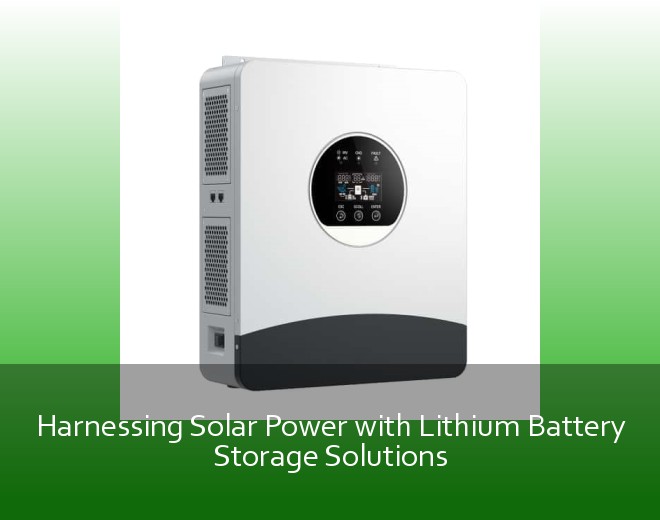
Harnessing Solar Power with Lithium Battery Storage Solutions
Ever wondered why your solar panels sometimes feel like a sports car stuck in rush hour traffic? You've invested in clean energy, but that gleaming array on your roof only works when the sun shines. Here's the kicker: the U.S. Energy Information Administration reports nearly 40% of residential solar power gets wasted annually due to mismatched production and consumption cycles.

Solar Power and Storage Solutions
our energy grids are creaking like grandpa's rocking chair. With extreme weather events increasing 134% since 2000 (National Climate Assessment), last month's Texas grid collapse proved we need resilient solutions yesterday. Solar panels alone? That's like having a sports car with no gas tank. The real magic happens when you pair photovoltaic systems with intelligent storage.

Harnessing Solar Power with Tiered Solutions
You’ve probably seen those shiny solar panels popping up everywhere – rooftops, fields, even highway barriers. But here's the kicker: We’re wasting 35% of the clean energy they generate. Why? Because sunlight’s availability doesn’t match our Netflix-bingeing, AC-blasting energy habits.

Solar Power and Storage Solutions in Australia
You know, Australia's got this solar energy paradox – we're world leaders in rooftop installations, yet nearly 30% of generated power gets wasted during peak production hours. With electricity prices jumping 18% last quarter according to recent AER reports, households and businesses are sort of stuck between sunny potential and practical limitations.

Solar Power Storage Solutions Revolution
Ever wonder why your solar panels sometimes feel like fair-weather friends? You know, those sunny afternoons when they're pumping out juice like there's no tomorrow, only to leave you high and dry during cloudy days. Well, here's the rub - global solar installations grew 35% last year, but energy waste hit record highs.
 Inquiry
 Online Chat